4 Reasons Gong Isn’t a Great Fit for Startups
Pick almost any SaaS category and you’ll see the same movie play out.
A startup launches selling to other startups. It wins. Then it “moves upmarket.” Eventually it’s all-in on enterprise.
This shift isn’t just about pricing or packaging; it’s a change in the company’s DNA.
The product starts to bloat. Pricing shoots up. Sales processes get complicated. The company deprioritizes the customers who made it successful. So startups abandon them and go looking for something simpler, cheaper, and nimbler.
That gap creates the next wave of disruption.
Off the top of my head, I can think of HubSpot, Zendesk, and Outreach as examples of this pattern in GTM tech.
And now it has happened to Gong.
Gong is the 800-pound gorilla of “Conversation Intelligence”. It started off focusing on early adopting startups. Today, Gong has gone all-in on enterprise. And frankly, they’ve proven themselves for that end of the market.
But that same enterprise focus makes Gong a poor fit for SMB and mid-market teams. And GenAI has made the gap impossible to ignore.
If you’re a sales or RevOps leader at a startup, here are four reasons Gong probably isn’t the right tool for you.
1. Gong is Bloated
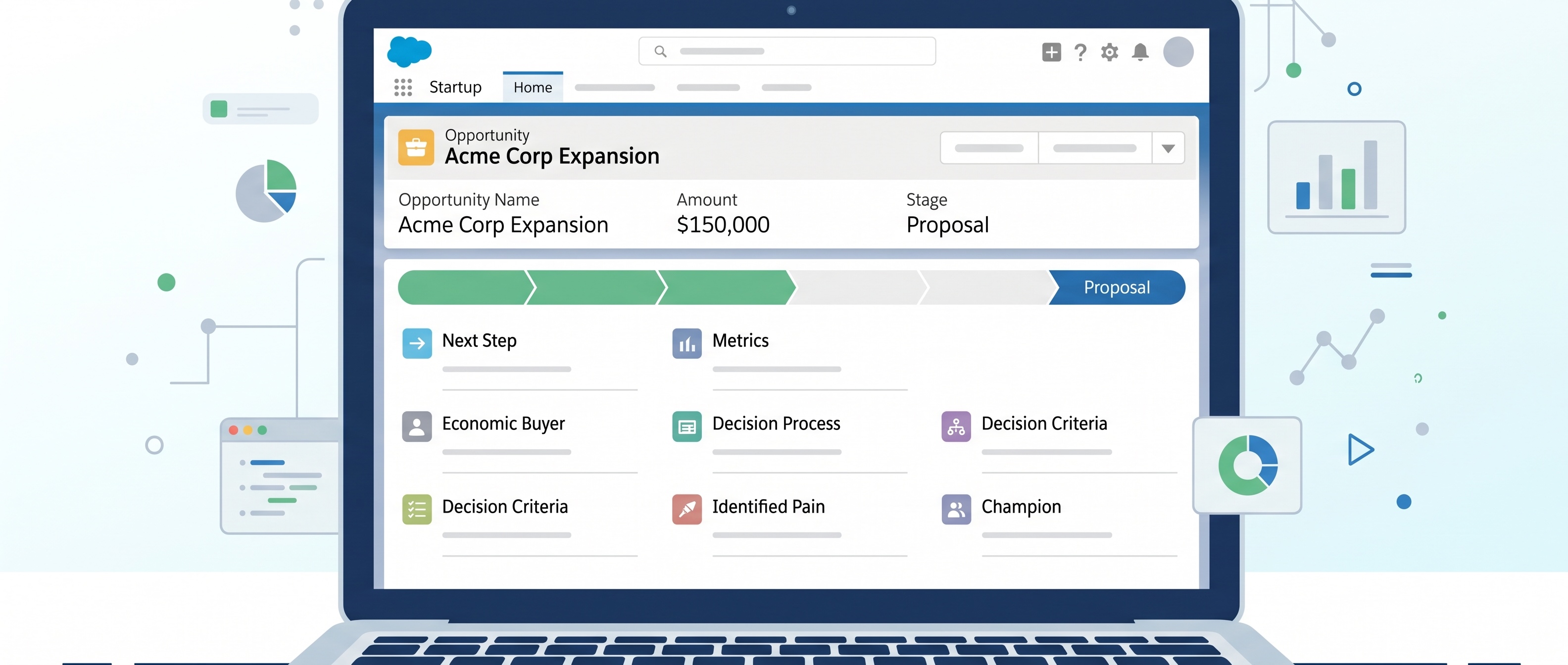
Gong optimizes for enterprise complexity. Permissions. Boards. Forecasting. Visibility. These are all great capabilities for large sales teams.
Most startup sales teams don’t need all of that.
They need:
- Reliable call recording and summaries
- A ChatGPT-style way to talk to their calls
- Automatic CRM updates
- Simple AI coaching scorecards
Buying Gong as a startup is like driving a Ford F-350 to pick up groceries. It technically works. It’s just a bad fit.
And that leads directly to the next issue.
2. Gong Is Overpriced
Enterprise focus brings enterprise pricing.
At ~$1,500 per seat per year, Gong costs more than Salesforce. They charge for “listening” seats; people who just want to watch a call or ask questions. Add platform fees and it balloons into the most expensive tool in your entire GTM stack.
Maybe that’s fine… until you realize you’re paying all that for a product that isn’t keeping up.
3. Gong Is Stagnant
Chasing enterprise revenue, Gong stopped investing in call intelligence and went all-in on Gong Engage to compete with Outreach.
Strategically, that made sense. But the timing was terrible.
The last three years exploded with GenAI innovation in call intelligence. Startups moved fast. Gong didn't. And now you can’t ignore the gaps.
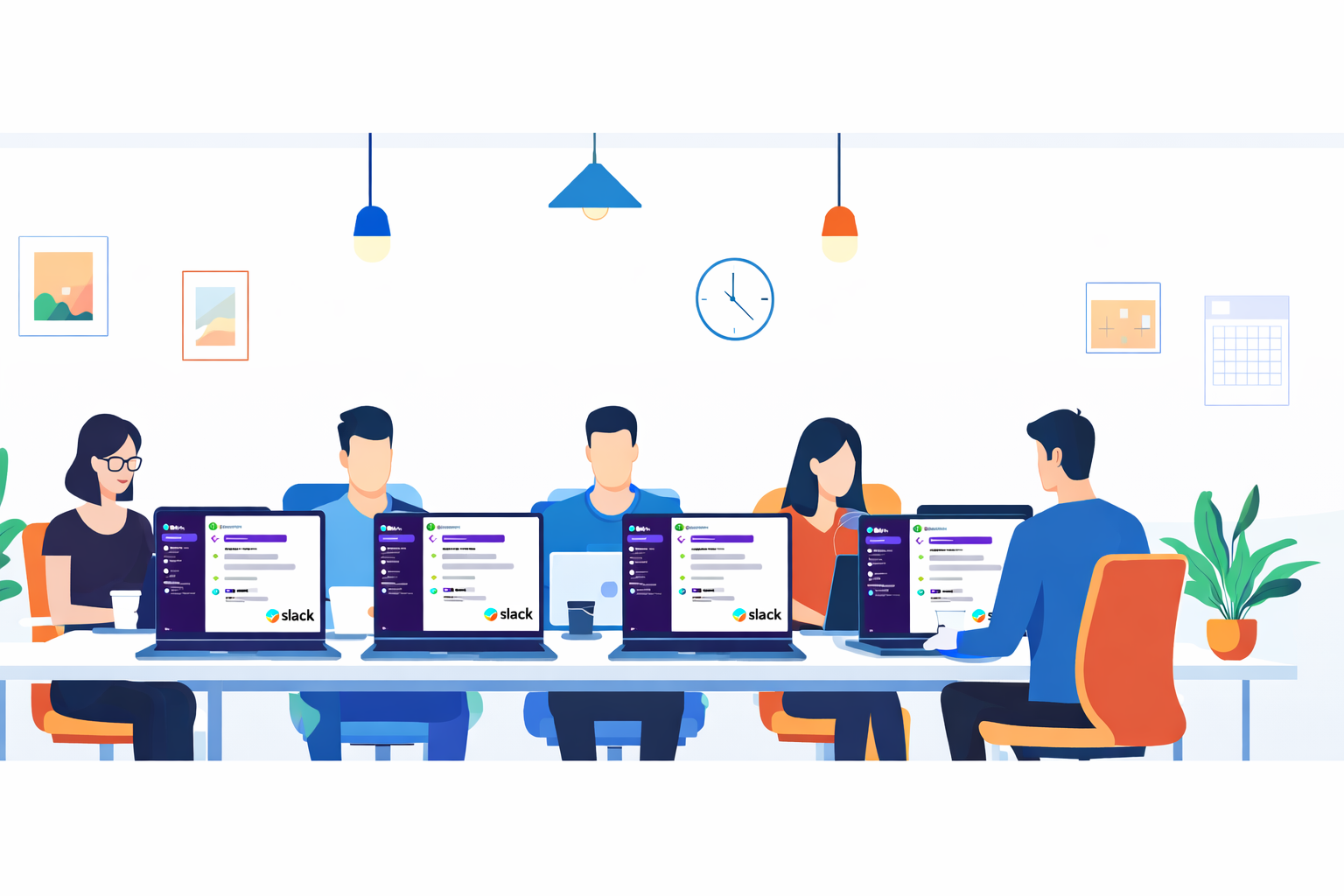
Your team lives in Slack—but you can't chat with calls there. Your managers wanna write custom prompts to flag coachable moments—not possible. Your product team wants to analyze calls in ChatGPT—Gong won't allow it. Your CS team talks to customers in Slack—those conversations never make it into Gong.
These aren't edge cases. They're how modern revenue teams actually work.
Gong can afford to sit out the GenAI wave. Startup buyers can't.
Startups would tolerate all that if Gong were easy to roll out. But it isn't.
4. Gong has a Long Time-to-Value
People casually talk about “Gong implementation”—a three-to-four-month process involving post-sales teams, configuration, and training.
That works for enterprises with hundreds of reps and complex workflows.
For startups, it’s overkill.
And expensive. Implementation often consumes a third of your first year's contract before you see real value.
The cost isn’t just money; it’s wasted time. Most startups have one RevOps leader managing multiple initiatives. They want something that works on day one.
Is There a Better Way?
We built HeySam because we got tired of watching startup revenue teams struggle with enterprise software.
Sam is Gong, built for startups that live in Slack.
Remember those gaps? Your team lives in Slack, so that’s where Sam lives. You can chat with calls, get AI coaching alerts, update Salesforce, and watch video summaries without leaving Slack. Managers write custom prompts to flag coachable moments. Product teams can export calls to ChatGPT or Claude to hear customers directly. CS conversations in Slack get ingested alongside sales calls.
Implementation? There isn’t one. You can record your first call today.
Price? About a third of what Gong costs.
Here’s how Sam delivers call intelligence to startups:
Conclusion
Gong is a proven platform for large enterprises.
The irony is that Gong started by selling to startups. They just forgot what startups need once they didn't need startups anymore.
We didn't forget.
FAQs
Is Gong good for startups?
Not really—at least not anymore.
Gong works well for large enterprise sales teams with complex processes and big budgets. But for startups and mid-market teams, it's often bloated, expensive, and slow to deliver value. Most startups need fast call recording, summaries, CRM updates, and lightweight coaching—not enterprise permissioning and multi-month implementations.
Why is Gong so expensive compared to other call intelligence tools?
Gong prices like an enterprise platform. At roughly $1,500 per seat per year—plus platform fees and paid “listening” seats—it often becomes the most expensive tool in a startup’s GTM stack.
That pricing makes sense if you’re running a large enterprise sales org. For startups, it’s hard to justify paying enterprise prices for features they don’t need.
How long does Gong implementation take?
Gong typically requires three to four months of implementation, including configuration, training, and support from their post-sales team.
That timeline works for enterprises with hundreds of reps and complex workflows. For startups, it creates friction. Most startup RevOps leaders want tools that work on day one, not after a quarter of setup.
What are the best Gong alternatives for startups?
Startups typically look for conversation intelligence tools that are cheaper, faster to deploy, Slack-native, and built around GenAI workflows.
Popular alternatives include tools like Fireflies, Avoma, and Fathom. Newer platforms like HeySam focus specifically on Slack-based workflows with AI coaching, CRM updates, and fast time-to-value without enterprise complexity.
The right choice depends on your team size, budget, and whether you prioritize Slack integration or standalone platforms.