Why Call Intelligence Should Live in Slack
Gong costs $1,500 per seat per year. Minimum.
For a 20-person sales team, that’s $30,000 annually; likely the most expensive tool in your sales tech stack outside of Salesforce.
But the problem is: majority of the sales team rarely logs into Gong.
That’s because Gong is a walled garden. You have to make the effort of logging in to it. Every extra login is friction. And friction means people stop logging in.
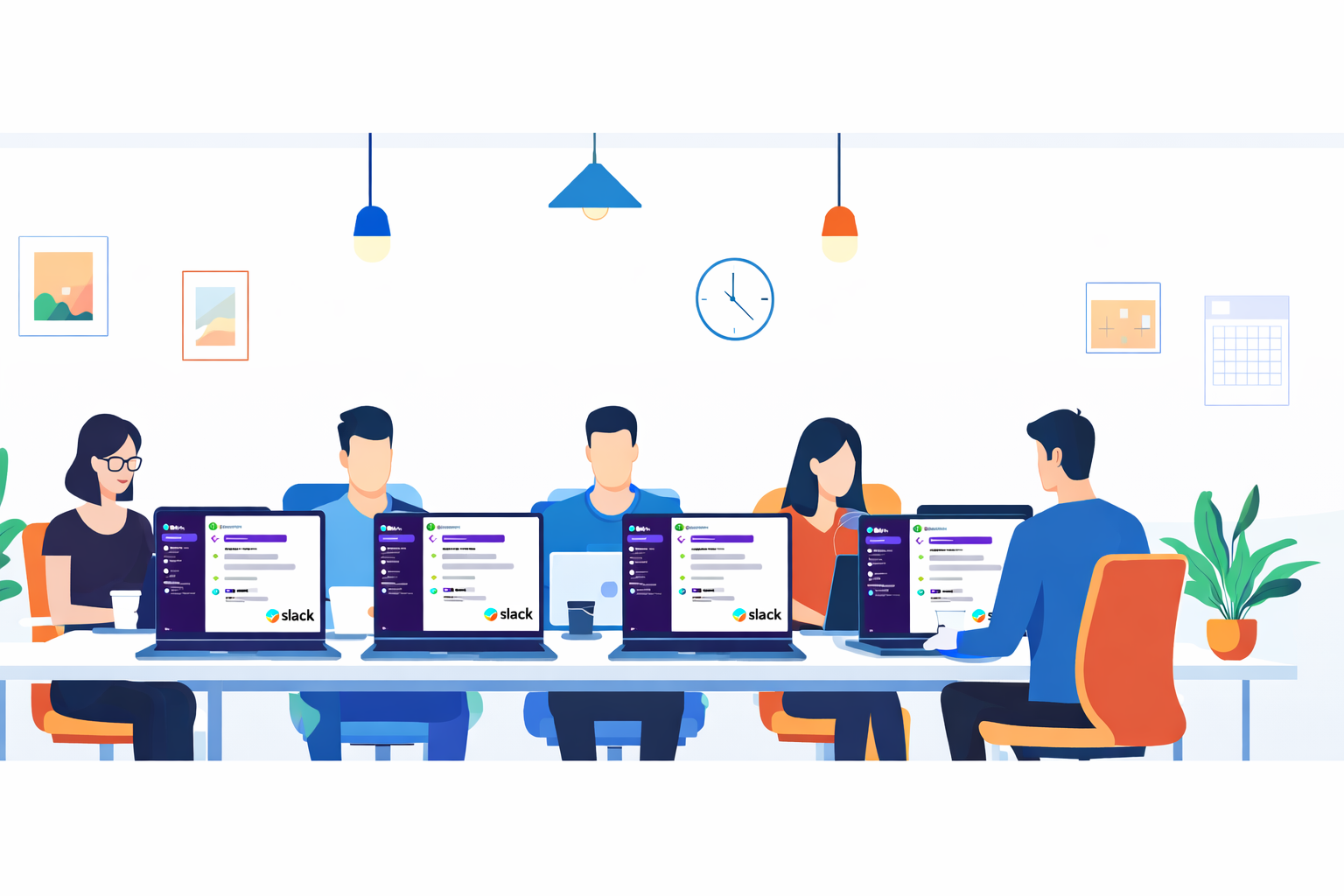
The reality is that modern sales teams live in… Slack. And until your call intelligence meets them there, it’s just gonna gather dust in Gong.
Here are 5 reasons call intelligence belongs in Slack:
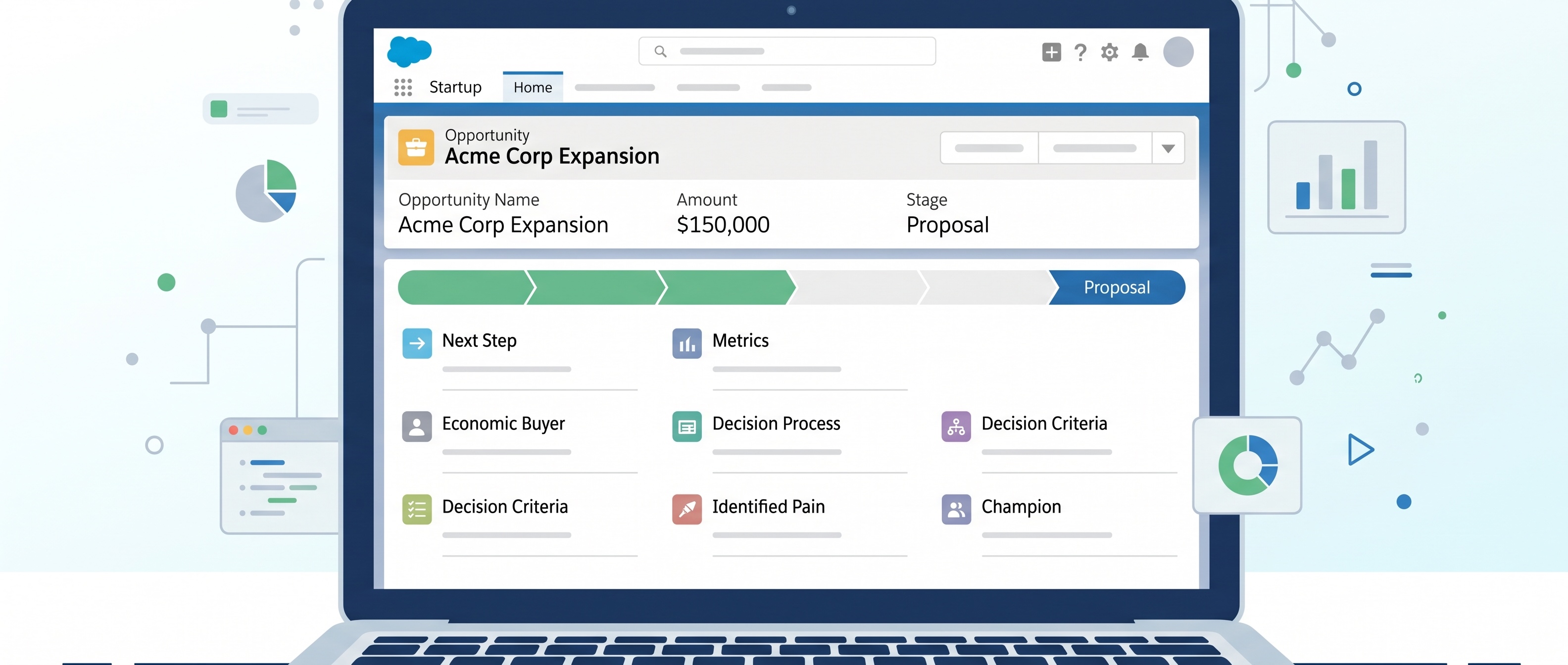
1. CRM hygiene, solved in 60 seconds
Every sales leader says the same thing: “CRM hygiene is a mess.”
The MEDDIC fields are empty, next steps are never documented.
There are two approaches most people try; both don’t work.
Some rely on carrots and sticks to instill data entry discipline in their reps. Outside of really small teams, this rarely works.
Others tell Gong to automatically update fields after each call. But AI hallucinates. And you end up with garbage in your CRM, except it’s AI-generated garbage.
Slack provides a much better way.
Let the call intelligence system draft the CRM update: MEDDIC updates, next steps, qualification field changes. Surface them to the rep in Slack right after the call ends. The rep clicks "Accept," "Reject," or "Edit." It takes the rep just a minute.
And the best part: by keeping the human in the loop, you get high quality data in your CRM.
2. Coaching that doesn't wait for the 1-on-1
The Gong-driven coaching model is broken. A rep has a rough call on Tuesday. Their manager reviews it Friday. They discuss it the following Wednesday in their 1-on-1. By then, the rep has run 20 more calls with the same mistake baked in.
Near-real time feedback in Slack changes this.
Run your coaching scorecard on every call automatically. The moment a call ends, the rep gets a Slack message: you talked 68% of the time, didn't confirm next steps, and never asked about budget.
Since the call is still fresh, the rep can adjust before the next one.
This doesn’t replace the need for managers to coach reps. It frees managers to focus on strategy instead of tactics.
3. Automated insights that run while you sleep
The biggest failure of Gong is that you have to remember to ask questions. Busy managers won’t remember to even log into it.
Instead of pulling intelligence when you remember to, a better model is to set the question once and have your call intelligence tool push you answers in Slack
So every Monday morning, you get a notification in Slack answering: which calls mentioned a competitor last week? which deals have gone quiet?
You review the results in Slack when you have a moment, then "lean in" to the specific recordings that matter.
4. Stop logging into Gong to answer simple questions
Two days after a discovery call, reps can't remember whether the prospect uses Salesforce or HubSpot…or the next steps from the call.
In Gong, they'd have to search for the call, then ask Gong’s AI to find the answer.
A much better solution: just ask in Slack.
What CRM did Acme use?
What were my action items from the Dunder Mifflin call?
And get the answer without any context switch.
For managers, this is even more powerful. Instead of auditing calls one by one, they could ask in Slack:
Which deals from yesterday's calls need my attention?
Where did pricing come up?
That's pipeline inspection at scale, done from Slack.
5. Meeting summaries that actually get read
Most teams already "get" summaries. They land in email. They sit between LinkedIn spam and security alerts where they are promptly ignored.
Push that same summary into Slack and behavior changes.
- DMs for Reps: Deliver a summary seconds after a call. Reps write follow-ups while the deal is fresh.
- Deal Rooms: Update every stakeholder instantly. No more 30-minute sync meetings.
- Exec Channels: Give leadership real-time visibility into pipeline health.
Different delivery. Dramatically different adoption.
Is there a tool that actually does this?
We built HeySam to provide a Slack-native call intelligence experience.
It’s Gong built for startups that live in Slack.
So you can get meeting summaries, chat with your calls, update your CRM, get coaching, and receive scheduled insights—all without leaving Slack.
FAQs
Why should call intelligence live in Slack?
Slack is where work happens.
Most call intelligence tools are destinations. Reps have to remember to log in, search for calls, and pull insights. In reality, they don't.
When call intelligence lives in Slack, the model flips. Summaries, CRM updates, coaching feedback, and pipeline insights show up automatically, right after the call, in the same place reps already work.
No extra steps. No context switching. No behavior change.
That's the difference between intelligence that exists and intelligence that gets used.
Why do sales teams struggle to adopt Gong or Chorus?
Most tools are built around data, not the people who use them.
Platforms like Gong expect sales teams to log in and find insights themselves. But the sales team is focused on selling, not reviewing dashboards.
Every extra step between a rep and an insight is a hurdle most teammates won't jump.
So even when the insights are valuable, they go unused.
How does Slack improve CRM hygiene for sales teams?
Sales leaders usually choose between discipline or automation.
Discipline doesn't scale. Automation lets AI hallucinate directly into your CRM. High-tech garbage.
Slack enables a third approach.
After every call, the call intelligence system drafts the CRM update: MEDDIC fields, next steps, qualification changes. It sends them to the rep in Slack. One tap to accept, edit, or reject.
The human stays in the loop. The data stays clean. And it takes 60 seconds instead of never.
How does Slack improve adoption of call intelligence?
It removes friction.
Instead of logging into a separate platform, reps receive insights directly: a DM after a call, a message in a deal room, or a weekly digest in a channel.
They interact with call intelligence the same way they interact with everything else in their day. In Slack, in the flow of work, without breaking stride.
That's what drives consistent usage.